
10 hr
Komodo Island Day Tour with Snorkeling from Labuan Bajo
- Expert local guide
- Small group
- Skip-the-line access
- Free cancellation
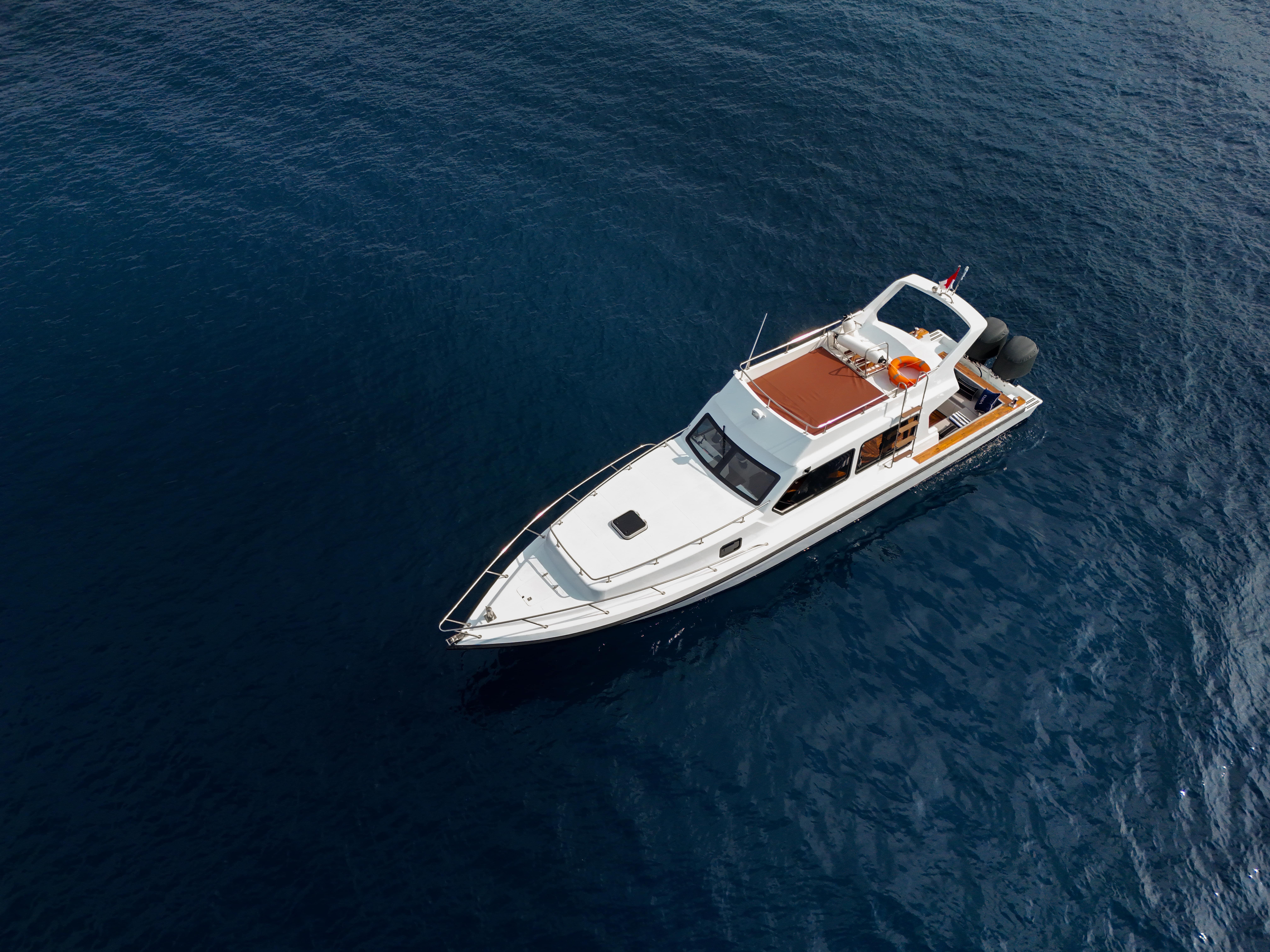
Snorkeling Manta Point Labuan Bajo — Reef Manta Encounters
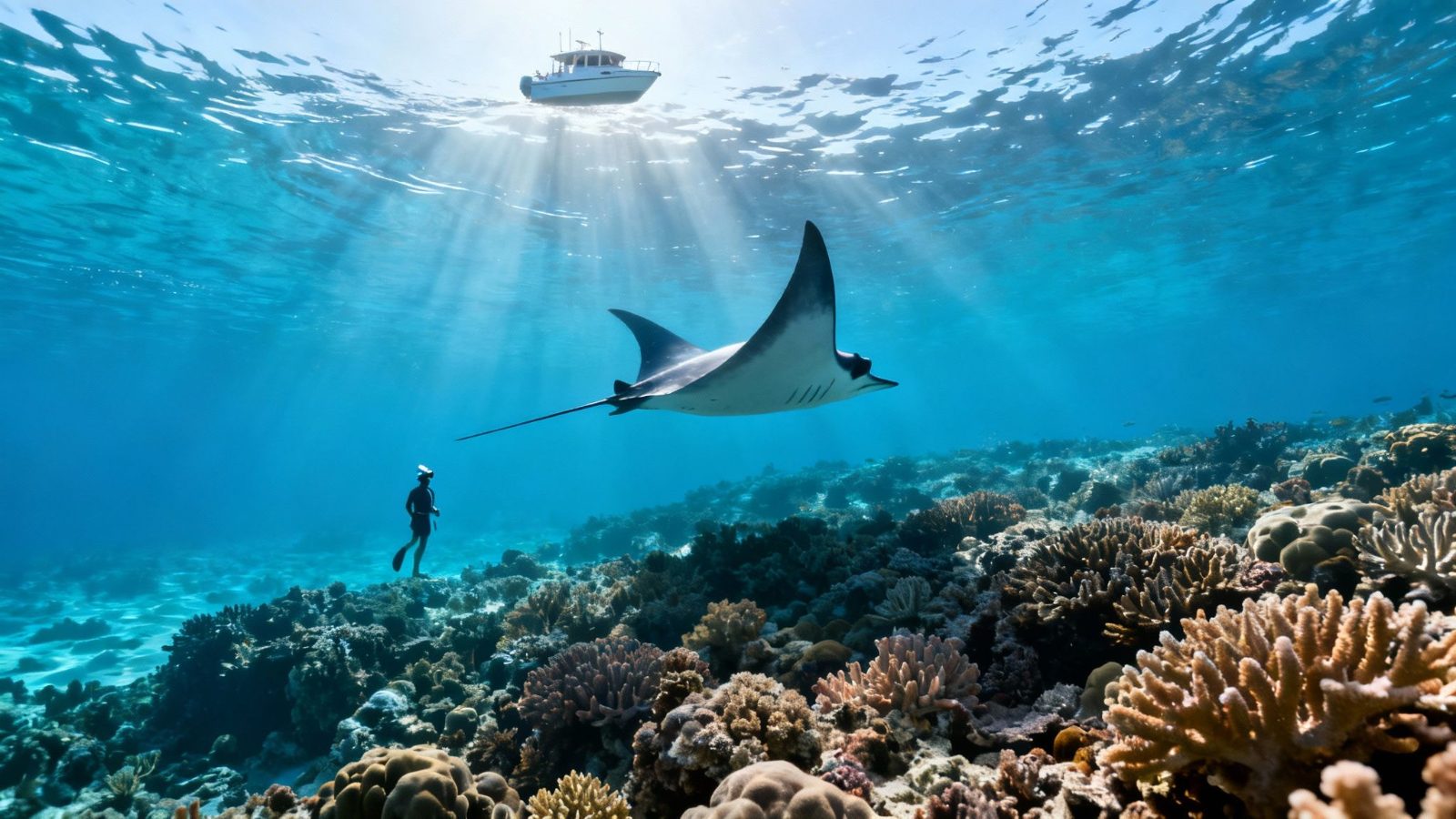
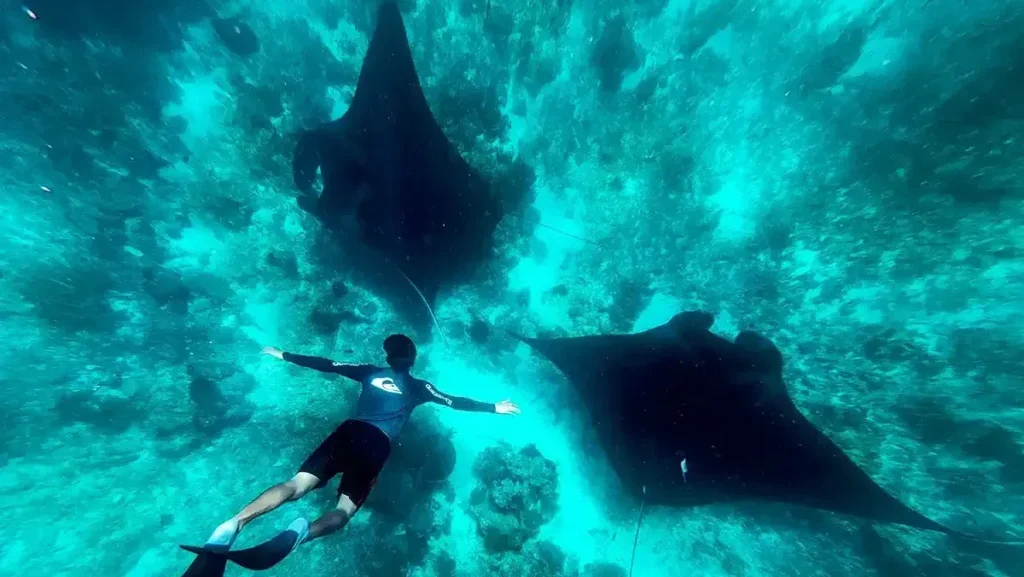
Glide beside gentle giants in turquoise shallows, morning light filtering through the reef
Compare fares, pick the fit — all bookings are mobile-voucher and eligible for free cancellation where shown.
10 hr
10 hr
8 hr
| Experience | Duration | Rating | Pickup | Skip-the-line | Guide | Small group | Price | |
|---|---|---|---|---|---|---|---|---|
|
Guided Experience
Most popular
Komodo Island Day Tour with Snorkeling from Labuan Bajo
|
10 hr | ★ 4.7 | ✓ | ✓ | ✓ | ✓ | €77 | Book → |
|
Guided Experience
Komodo National Park Full-Day Discovery Tour
|
10 hr | ★ 4.8 | ✓ | ✓ | ✓ | ✓ | €83 | Book → |
|
Guided Experience
Komodo National Park Speedboat Adventure
|
8 hr | ★ 4.8 | ✓ | ✓ | ✓ | ✓ | €82 | Book → |
Worth it for marine life enthusiasts
Snorkeling manta point labuan bajo delivers one of Indonesia's most sought-after underwater experiences, but the value equation hinges on realistic expectations. The 250,000 IDR marine park entrance fee grants access to a corridor where reef manta rays congregate to feed on plankton and visit cleaning stations—yet sightings are never guaranteed. Day tours from Labuan Bajo typically bundle Manta Point with Pink Beach, Padar Island, and Komodo dragon trekking, diluting the per-site cost and strengthening the overall proposition. Multi-day liveaboard options increase your odds through repeated dive windows across different tidal cycles. Water visibility peaks during the dry season (April–November), when plankton blooms attract mantas but can reduce clarity. Solo snorkelers paying only the park fee face a narrow value window: if mantas appear during your 30–40 minute slot, it justifies the outlay; if currents shift or rays move offshore, you've paid premium rates for standard reef snorkeling. The site's reputation as a manta ray cleaning station remains accurate, but timing and marine behavior trump ticket price in determining actual value.
Bottom line: Snorkeling manta point labuan bajo tours justify the marine park fee when bundled with multi-site itineraries, but standalone visits carry sighting risk that not all travelers will accept.
They complement each other, but most visitors who do both call the hike to Padar Island the more scenic choice, while the snorkeling manta point labuan bajo experience remains the undisputed underwater highlight.
|
Top pick Manta Point Snorkeling |
Padar Island Hiking | |
|---|---|---|
| Primary Activity | Snorkeling with manta rays | |
| Main Focus | Marine life observation | |
| Typical Duration | 30–60 minutes | |
| Physical Intensity | Low (requires swimming) | |
| Peak Season | May–September | |
| Best Time to Visit | 07:00–10:00 | |
| See tickets & prices |
Verdict: Choose the snorkeling manta point labuan bajo tour if you prioritize marine encounters, or opt for Padar Island if you prefer panoramic photography.
Hand-picked experiences loved by thousands of travelers
2 days
Free Cancellation
Two-day sailing journey through Indonesian islands with dragon spotting, coral snorkeling, and onboard accommodation
4.5 hours
Free Cancellation
Swim in a hidden cave pool and snorkel crystal-clear waters at Labuan Bajo's best-kept secret beach
3 days
Free Cancellation
Multi-day island-hopping journey aboard a traditional Phinisi boat with encounters of legendary dragons
10–12 hours
Free Cancellation
Pre-dawn departure to Padar's iconic viewpoint, then swim with manta rays and sea turtles across five pristine locations
3 days
Free Cancellation
Sail through UNESCO-protected waters, encounter Komodo dragons, and snorkel vibrant reefs on a budget-friendly shared boat tour
10 hours
Free Cancellation
Journey to Komodo dragons, pink sands, manta rays, and sea turtles across six stunning island destinations
1 day
Free Cancellation
Sail through stunning islands, snorkel crystal-clear waters, and witness Komodo's iconic wildlife
3 days
Free Cancellation
Sail the Indonesian archipelago aboard a premium phinisi with ensuite cabins, chef-prepared meals, and unforgettable wildlife encounters
A shallow 3km reef flat perfect for surface observations of feeding mantas
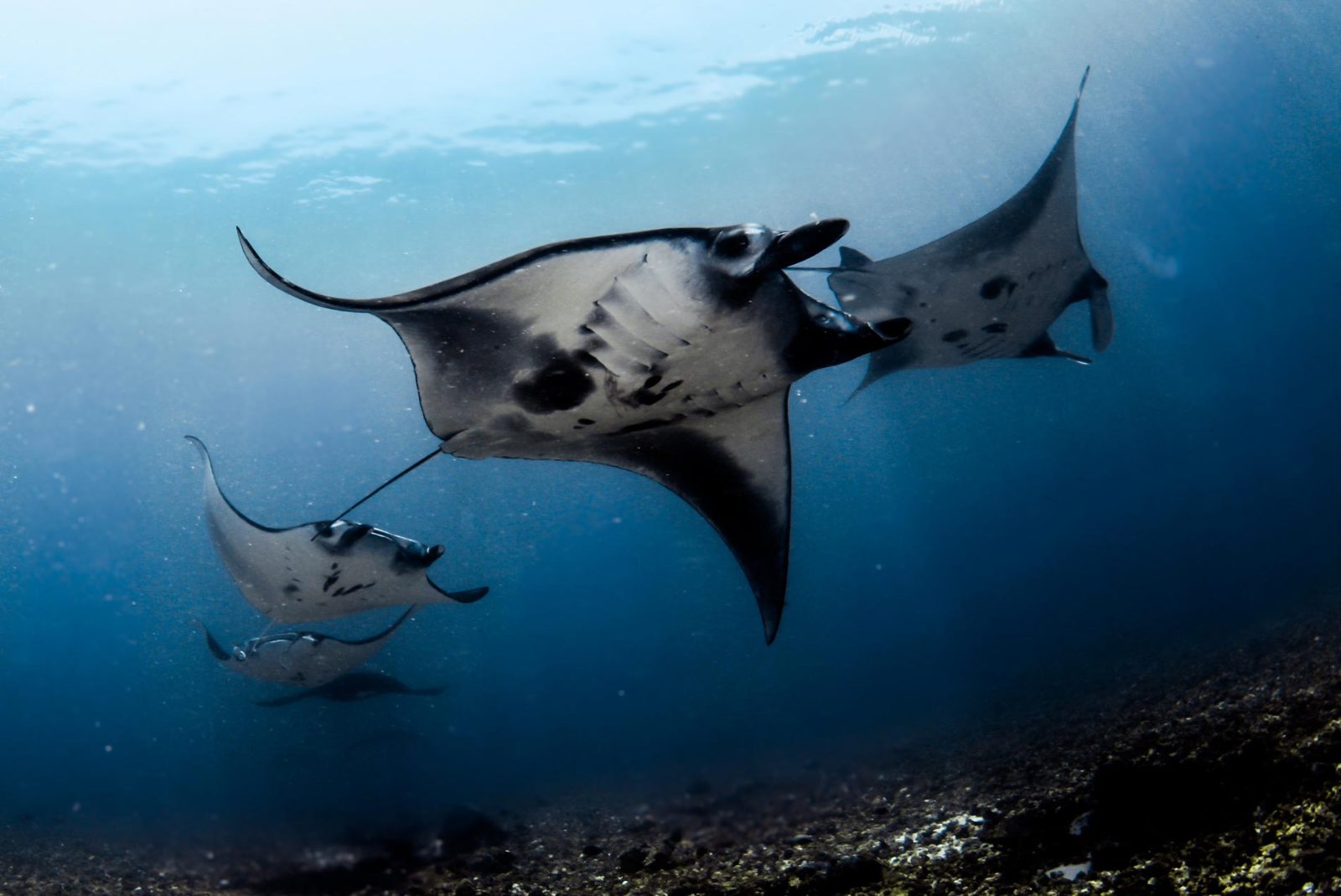
Specific coral bommies where manta rays hover to be serviced by cleaner fish
Year-round sightings of reef mantas, often with wingspans reaching up to 5 metres
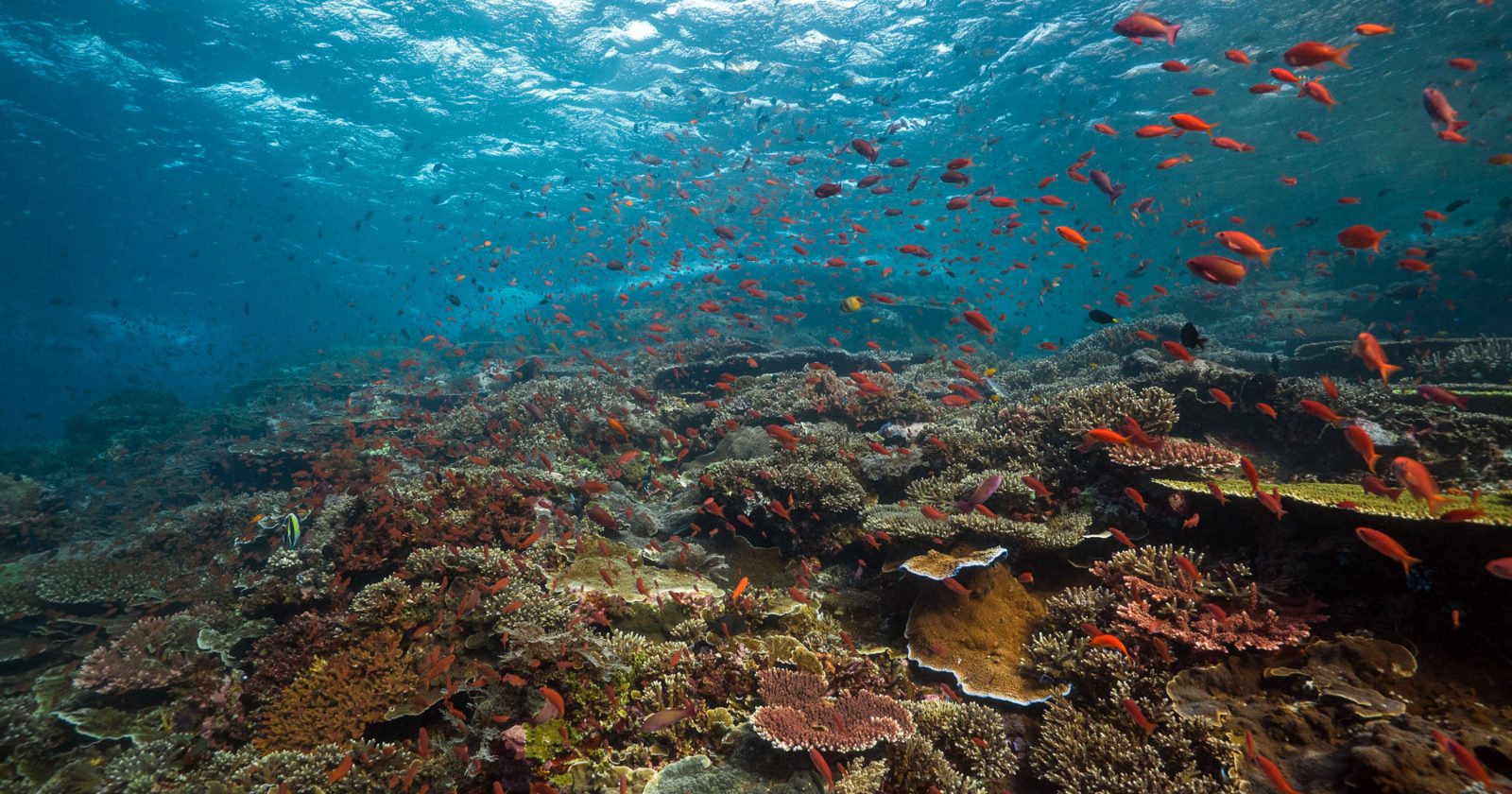
Healthy reef sections surrounding the main manta observation zones
A nearby picturesque white sandbar often included in snorkeling manta point labuan bajo tours.
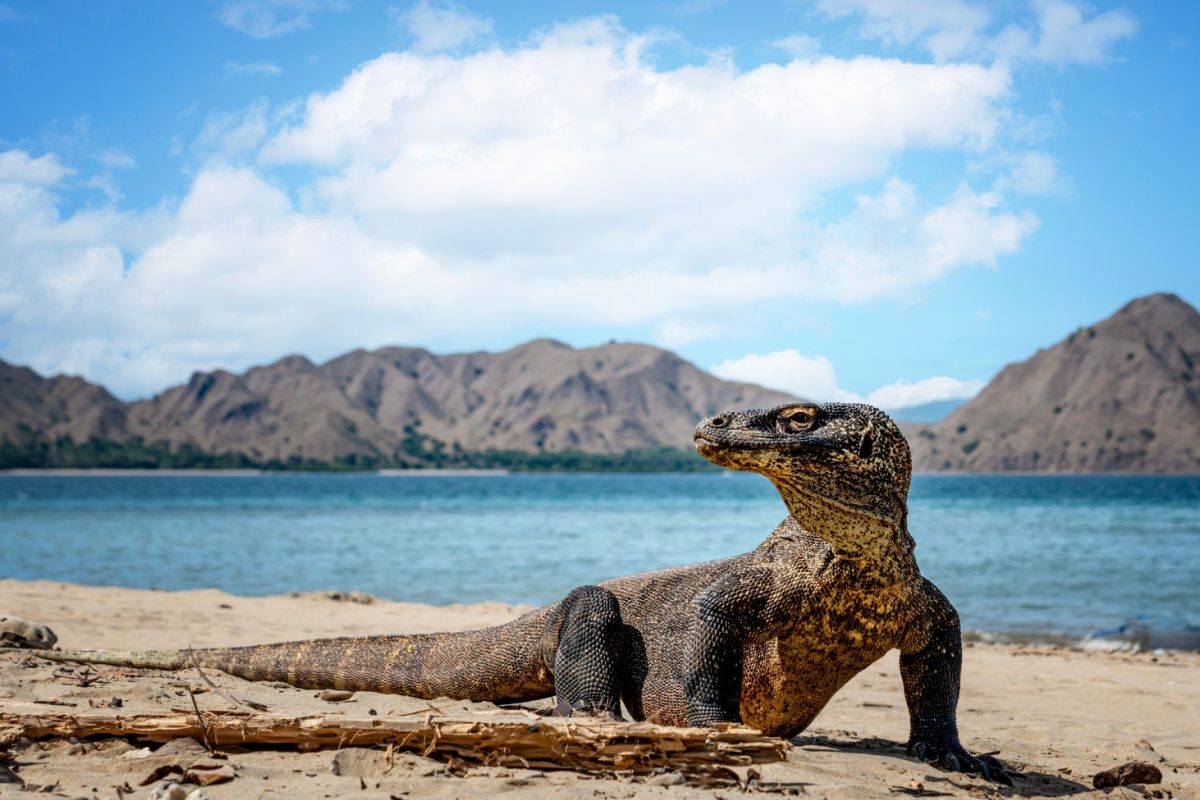
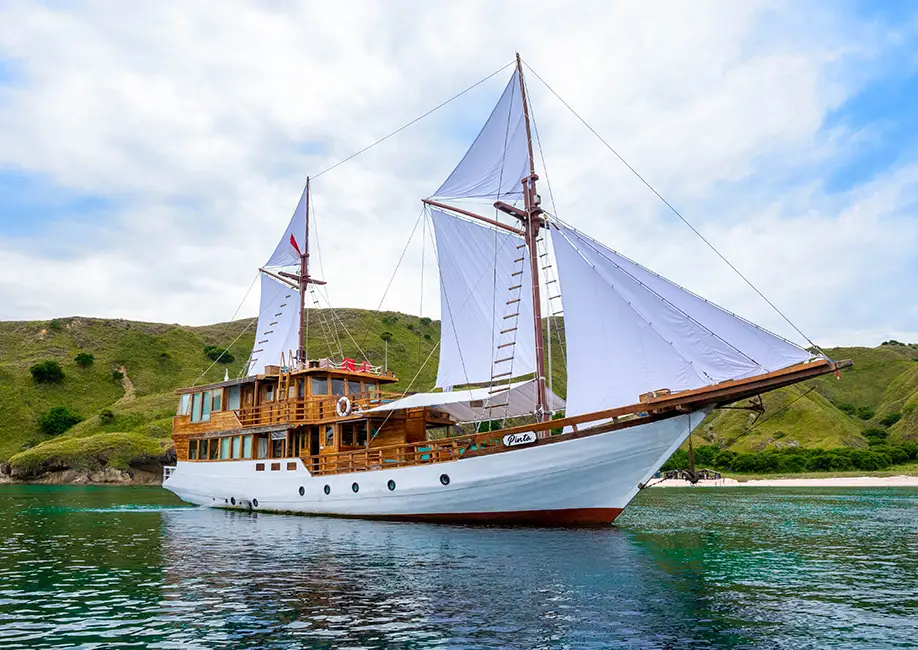
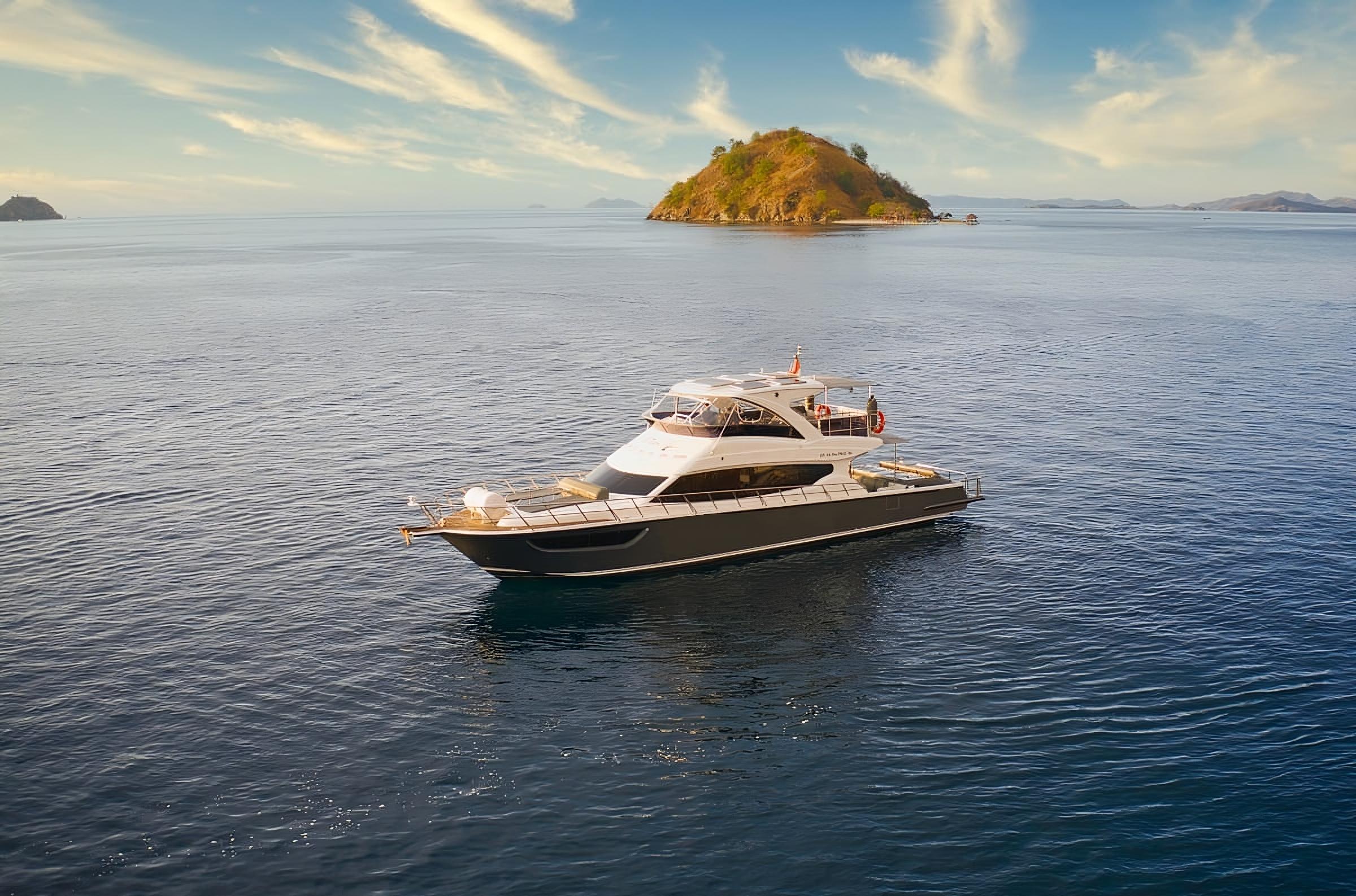
You board a traditional wooden phinisi at Labuan Bajo harbor before sunrise, the engine's low rumble mixing with the calls of fruit bats returning to roost. The boat cuts east through the Flores Sea, passing dragon-topped cliffs as the sky shifts from violet to gold.
Ninety minutes later, the captain throttles down above Manta Point's submerged plateau. You adjust your mask, step off the stern, and drift over staghorn coral gardens in 10 meters of crystalline water.
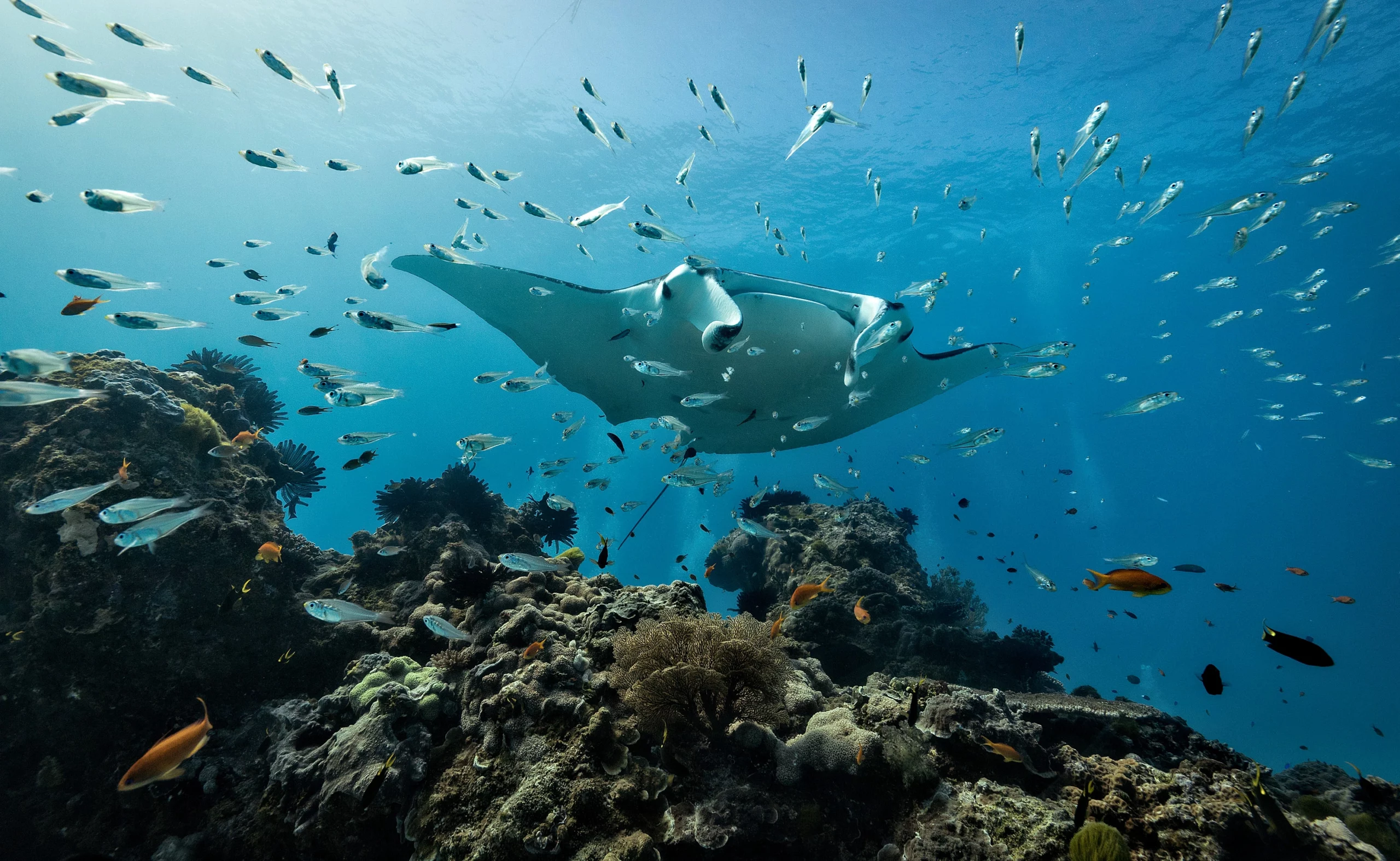
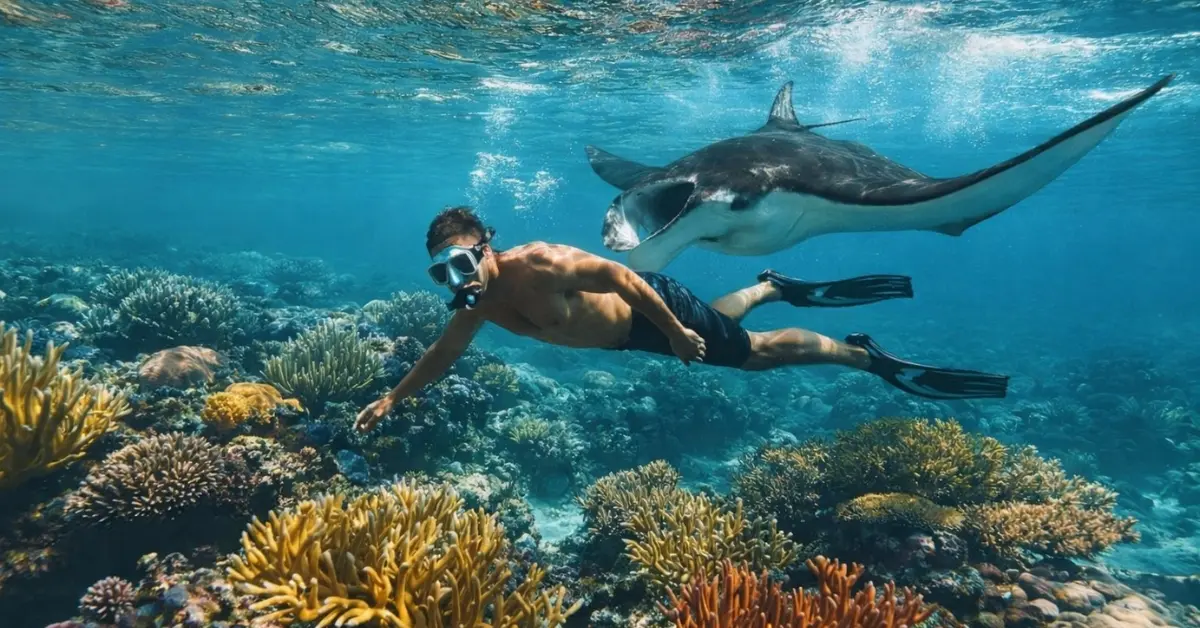
A shadow passes beneath you—wings spanning four meters, white ventral spots catching the light. The reef manta banks into a slow spiral, mouth filtering plankton as cleaner wrasse dart across its gills. You hang motionless at the surface, finning gently to hold position in the current. Two more mantas glide into view, their wingtips nearly brushing the coral. For twenty minutes you drift with them, tracking their loops above the cleaning station. The guide signals—time to return to the boat. You climb aboard, saltwater streaming from your wetsuit, and the captain sets course for Pink Beach, leaving the mantas to their ancient rhythms.
All the details about your upcoming adventure in one place
Manta Point sits in the channel between Komodo and Rinca islands, where nutrient-rich currents create a cleaning station that draws reef mantas year-round. The site was identified by marine biologists in the late 1990s as one of Southeast Asia's most reliable manta aggregation zones.
Visibility averages 15 to 25 meters during the dry season, and the shallow depth—rarely exceeding 12 meters—makes it accessible to snorkelers of all skill levels. The mantas that frequent Manta Point are Mobula alfredi, the reef manta ray, which can reach wingspans of five meters and live for decades in these protected waters.
Snorkeling manta point labuan bajo has become a cornerstone of marine tourism in East Nusa Tenggara since Komodo National Park received UNESCO World Heritage designation in 1991. The park's 1,733 square kilometers encompass volcanic islands, coral gardens, and pelagic channels that support over 1,000 fish species. Manta Point itself is a submerged reef plateau where small cleaner wrasse remove parasites from the mantas' skin. The rays glide in slow spirals, mouths agape to filter plankton, sometimes within arm's reach of snorkelers. Research conducted by the Marine Megafauna Foundation has catalogued more than 300 individual mantas in the Komodo region, identified by unique spot patterns on their ventral surfaces.
The conservation fee introduced in 2018 funds ranger patrols and moorings that prevent anchor damage to the reef. Morning visits between 07:00 and 10:00 coincide with peak manta activity, when plankton blooms draw the rays into shallow feeding zones. The site's proximity to Labuan Bajo—a 90-minute boat ride—has made it a focal point for day tours that combine manta encounters with visits to Pink Beach and Padar Island. Currents at Manta Point can shift quickly; guides brief snorkelers on drift protocols and maintain visual contact throughout the session. The marine park's strict no-touch policy protects both visitors and mantas, ensuring the cleaning station remains viable for future generations.
Research conducted by the Marine Megafauna Foundation has catalogued more than 300 individual mantas in the Komodo region.
Wear swimwear, a rash guard for sun protection, and reef-safe sunscreen. A light cover-up is recommended for when you are not in the water.
Space on speedboats is limited; bring a small, water-resistant dry bag for personal items. Secure all belongings on the boat before entering the water for snorkeling manta point labuan bajo.
Use a waterproof housing or action camera to capture marine life. Keep a respectful distance from manta rays and avoid using camera strobes, which can startle them.
Families should ensure children are strong swimmers and supervised at all times by a guide. Life vests are standard equipment and must be worn during every snorkeling manta point labuan bajo session.
The site requires swimming in open water; it is recommended for confident swimmers due to potential currents. Discuss your comfort level with your guide before starting your snorkeling manta point labuan bajo tour.
Most day tours include lunch, water, and snacks provided on board. Bringing extra hydration is advisable, but do not bring food into protected land areas of the park.
Opening Hours
00:00–23:59 daily
Address
Komodo National Park, Manggarai, East Nusa Tenggara, Indonesia
Arrival Window
07:00–10:00 for optimal visibility
Entrance Fee
250,000 IDR per person, per day for foreign visitors
Storage
Not available on-site; leave items on your chartered boat
Booking
Mandatory via licensed operators and SiOra system
Tickets booked for snorkeling manta point labuan bajo are generally non-refundable as they are tied to specific daily quotas. Always confirm the specific refund policy with your chosen tour operator regarding the 250,000 IDR marine park entrance fee.
Recommended time
1-2 hours
To experience snorkeling manta point labuan bajo effectively, allocate enough time to navigate the current and observe marine life. The best arrival window is 07:00–10:00, as morning hours offer better water visibility and calmer seas for snorkeling. Those booking snorkeling manta point labuan bajo tours should anticipate that higher tidal movement often reduces water clarity, while early snorkeling manta point labuan bajo tickets ensure you reach the coral reef before boat traffic peaks. Plan for a short duration in the water, as the strong drift requires active swimming near the protected park zones.
Crowd levels through the day
Manta Point emerged as a recognized dive and snorkel destination in the mid-1990s, when commercial operators in Labuan Bajo began charting the seasonal aggregations of reef manta rays in the southern waters of Komodo National Park. The site, a submerged ridge near the western coast of Komodo Island, had long been known to local fishermen who observed large mantas circling cleaning stations during the southwest monsoon. In 1996, a small group of dive guides documented the concentration and established the first mooring buoy, naming the location after the predictable presence of Manta alfredi, which gather to be groomed by cleaner wrasse. Early snorkeling manta point labuan bajo tours were limited to live-aboard vessels, as land-based infrastructure in Labuan Bajo remained minimal until the early 2000s. The formal integration of Manta Point into Komodo National Park's marine tourism framework occurred in 2003, following the park's UNESCO World Heritage designation in 1991 and subsequent expansion of protected marine zones. Park authorities imposed a zoning system that restricted anchoring and mandated certified guide escorts for all visitors. Between 2005 and 2010, the number of recorded snorkel encounters at the site increased by more than 300 percent, driven by international media coverage and the proliferation of day-trip operators from Flores. This surge prompted the installation of additional mooring buoys in 2011 and the enforcement of a maximum group size of fifteen swimmers per guide, a regulation that remains in effect as of 2026. In 2015, Manta Point experienced a temporary closure after a collision between a speedboat and a juvenile manta resulted in regional scrutiny of operator practices. The incident led to revised approach protocols and mandatory engine cut-off within 100 meters of observed mantas. Scientific surveys conducted by The Nature Conservancy in 2018 confirmed the site supports a resident population of approximately 80 individual reef mantas, with peak sightings recorded between April and November. Today, snorkeling manta point labuan bajo tickets are bundled with the 250,000 IDR marine park entrance fee, and the site remains one of the most visited points in the archipelago, receiving an estimated 40,000 snorkelers annually.
Commercial dive operators begin documenting seasonal manta aggregations near Komodo Island's western ridge.
First mooring buoy installed and site formally named Manta Point by early dive guides.
Komodo National Park authorities establish marine zoning system requiring certified guide escorts at all snorkel sites.
Additional mooring buoys deployed and maximum group size of fifteen swimmers per guide enforced.
Temporary closure imposed after boat-manta collision prompts revised approach protocols and mandatory engine cut-off zones.
Scientific surveys by The Nature Conservancy confirm resident population of approximately 80 individual reef mantas.
Position yourself at the edge of the boat as the crew monitors the current for this snorkeling manta point labuan bajo experience to capture wide-angle shots of rays gliding below. Ensure your camera housing is secure before entering the water, as the current can be swift.
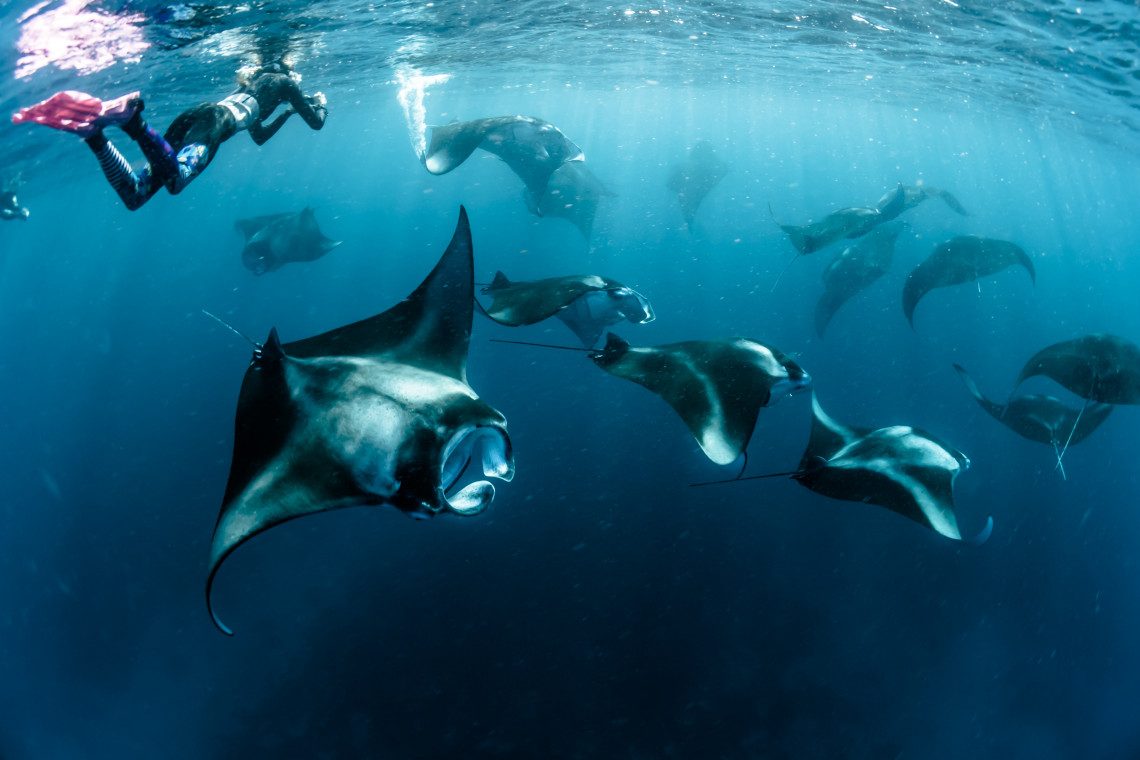
This specific underwater area acts as a natural hub where these marine giants congregate, offering chances for macro and wide-angle photography during snorkeling manta point labuan bajo tours. Divers and snorkelers often wait patiently here to observe natural behavior without disturbing the wildlife.
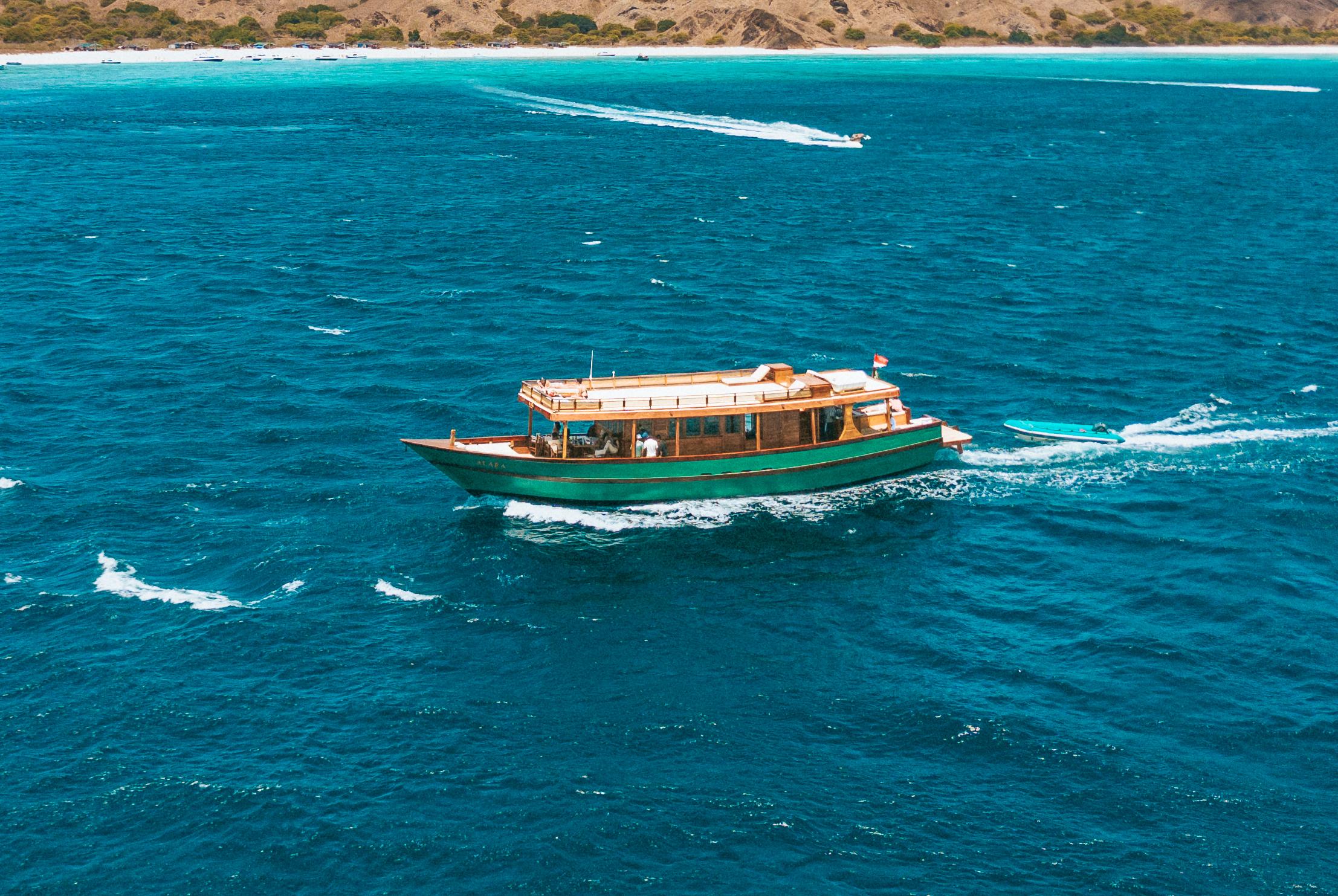
The upper deck of a traditional phinisi provides an elevated perspective of the turquoise water before you purchase your snorkeling manta point labuan bajo tickets. Use a polarizing filter to reduce glare on the surface when shooting the transition from boat to sea.
Located near the shallower reefs surrounding the site, this spot provides a colorful backdrop of sea fans and sponges for snorkelers participating in a snorkeling manta point labuan bajo tour. Stay neutral in the water to capture the contrast between the reef life and the deep blue void.
Exploring the waters for snorkeling manta point labuan bajo is an active outdoor adventure best suited for families with confident swimmers. Bringing children to this Komodo National Park destination requires careful preparation to ensure safety while encountering marine life.
Strollers are not practical on the boats used for snorkeling manta point labuan bajo tours, so plan to bring a carrier for infants or toddlers. Ensure your children are comfortable with marine travel before booking your snorkeling manta point labuan bajo tickets.
There are no baby-change facilities or specialized amenities on the vessels, meaning you must pack all necessary supplies for your snorkeling manta point labuan bajo tour. Most boats used for these trips prioritize open-deck space over enclosed storage.
This activity is recommended for children aged seven and older who possess strong swimming skills and can safely use snorkeling gear. Younger children may find the currents and depth challenging, making guided supervision essential for any family snorkeling manta point labuan bajo trip.
Pack plenty of hydration and child-friendly snacks, as options on the water are limited to what you bring on board. Coordinate with your boat operator in advance to ensure they can accommodate specific dietary needs for your family.
Dining options are non-existent directly at Manta Point, so visitors planning snorkeling manta point labuan bajo excursions should bring their own food and hydration. Most travelers rely on meal services provided by their boat operators during snorkeling manta point labuan bajo tours.
Prepared meals provided as part of full-day snorkeling manta point labuan bajo tour packages, typically featuring fresh local seafood and tropical fruit.;Labuan Bajo Waterfront Restaurants
Everything you need to know for your journey
The park is open 00:00–23:59 daily, but boat departure times are regulated.
The marine park entrance fee is 250,000 IDR per person, per day for foreign visitors.
The best arrival window is 07:00–10:00 for better visibility and calmer seas.
There is no strict age limit, but children must be confident, supervised swimmers to participate safely in a snorkeling manta point labuan bajo tour.
No, you cannot book tickets at the site; all visits must be arranged in advance via a licensed operator through the SiOra system.
While sightings occur year-round, the peak season for manta aggregations at the snorkeling manta point labuan bajo site is October to May.
Yes, a professional guide is essential for safety, as the area experiences strong currents.
Access is provided exclusively by boat tours originating from the town of Labuan Bajo.
Yes, the area features currents that require respect; always snorkel with a guide and wear a life vest.
Sightings are frequent but depend on natural conditions; operators do not guarantee encounters during a snorkeling manta point labuan bajo tour.
Join thousands of happy travelers who have discovered this incredible experience
Book Your Experience Now